
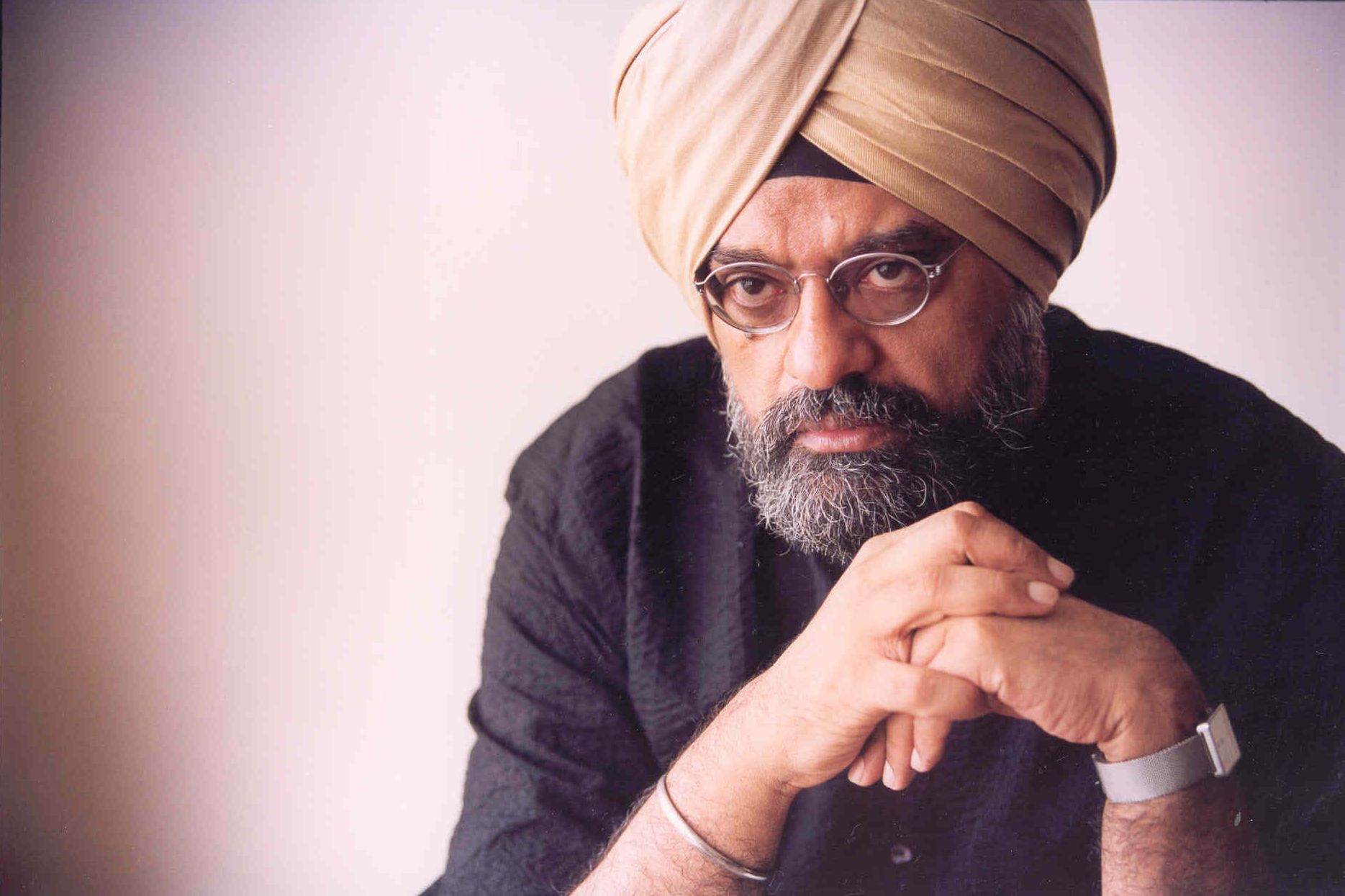
Bobby Bedi — born Sundeep Singh Bedi in New Delhi in 1956 — read economics at St. Stephen's College, University of Delhi, and took an MBA at the Jamnalal Bajaj Institute of Management Studies, University of Bombay, before joining HCL, Philips India and then Sony, where as a regional manager he first brushed shoulders with the Indian film community.
In 1989 he founded Kaleidoscope Entertainment. The debut production — Pradip Krishen's In Which Annie Gives It Those Ones, written by a then-unknown Arundhati Roy — was shot for roughly twenty thousand dollars and won National Film Awards for Best Feature Film in English and Best Screenplay. It set the house pattern: small budgets, serious films, unusual combinations of people.
Over the next decade and a half he would produce Shekhar Kapur's Bandit Queen (Cannes Directors' Fortnight, 1994), Deepa Mehta's Fire (1996), Shaad Ali's Saathiya (2002), Vishal Bhardwaj's Maqbool (2003), and Ketan Mehta's The Rising: Ballad of Mangal Pandey, which opened the 58th Locarno Film Festival in 2005 and won its NETPAC Special Jury Award.
In 2008 Bedi founded the School of Convergence — India's first post-graduate programme in content creation — and in 2011 turned his attention to museum storytelling with Virasat-e-Khalsa at Anandpur Sahib, a hundred-acre complex designed by Moshe Safdie, for which his team made nine art films in three languages. In 2012 followed the Multimedia Mahabharata & Gita Gallery at the Sri Krishna Museum, Kurukshetra, where he designed the building as well as the content.
In 2016 he received the Honorary Golden Spike (Espiga de Honor) at the 61st Valladolid International Film Festival (SEMINCI). More recently he has guided the Global Content Market at FICCI Frames, and in 2024 founded ContentFlow Studios to continue that vision, with a multinational slate including the A. R. Rahman musical Nasruddin Hoja and a sequel, Bandit Queen MP.